Start with the fault, not the boiler's age
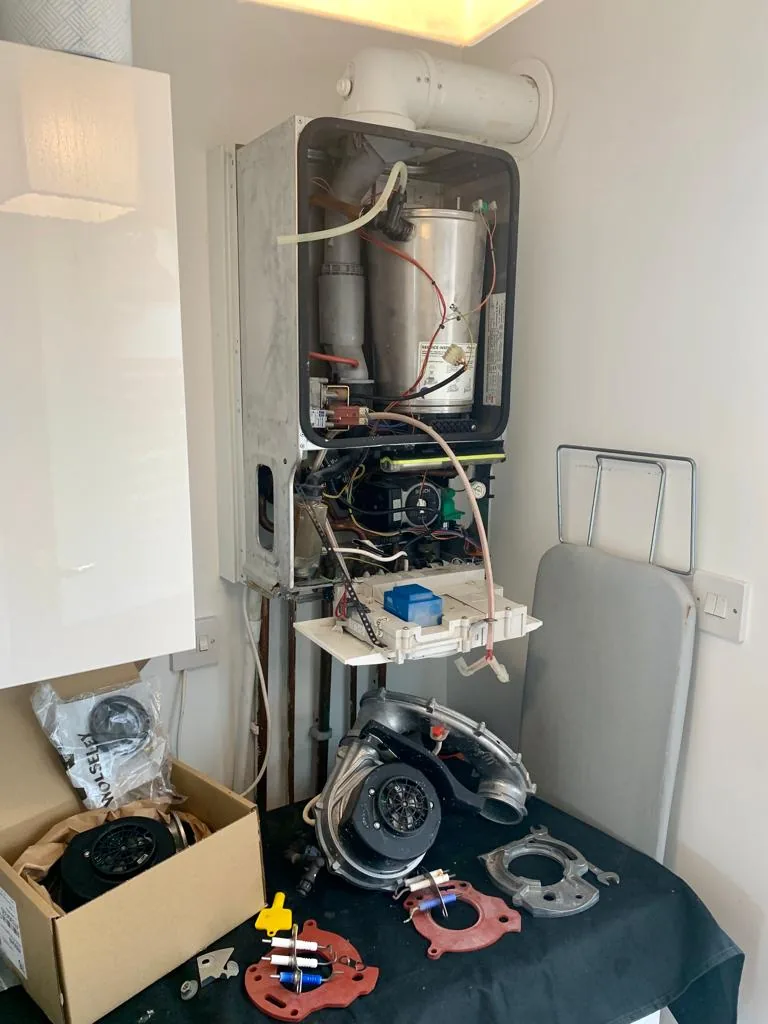
An older boiler is not automatically beyond repair, and a newer boiler is not automatically worth repairing at any cost. The first question is what has actually failed. A worn seal, sensor or valve may be a straightforward repair. A damaged main component, repeated internal faults or several failing parts can make the same decision much less clear. A proper diagnosis should come before any recommendation to replace the appliance.
Think about the boiler's recent history too. One isolated problem after years of reliable service is different from several callouts in one winter. Keep any service records, fault reports and previous invoices together. They help an engineer see whether the current breakdown is unusual or part of a pattern.
- What has failed and can it be repaired safely?
- Has the boiler needed repeated repairs?
- Are suitable replacement parts still readily available?
- Is there another underlying system problem causing the fault?
When a repair is usually worth considering
Repair is often sensible when the boiler has otherwise been dependable, the fault is understood and the cost is proportionate to the useful life you are likely to gain. It can also be the practical choice if you are not ready to change the wider heating system.
Ask what the repair includes, whether any other components are showing signs of wear and how confident the engineer is that the boiler can return to reliable service. No engineer can promise that an older appliance will never develop another fault, but they should be able to explain what they found and why a repair is reasonable.
Signs that replacement deserves serious thought
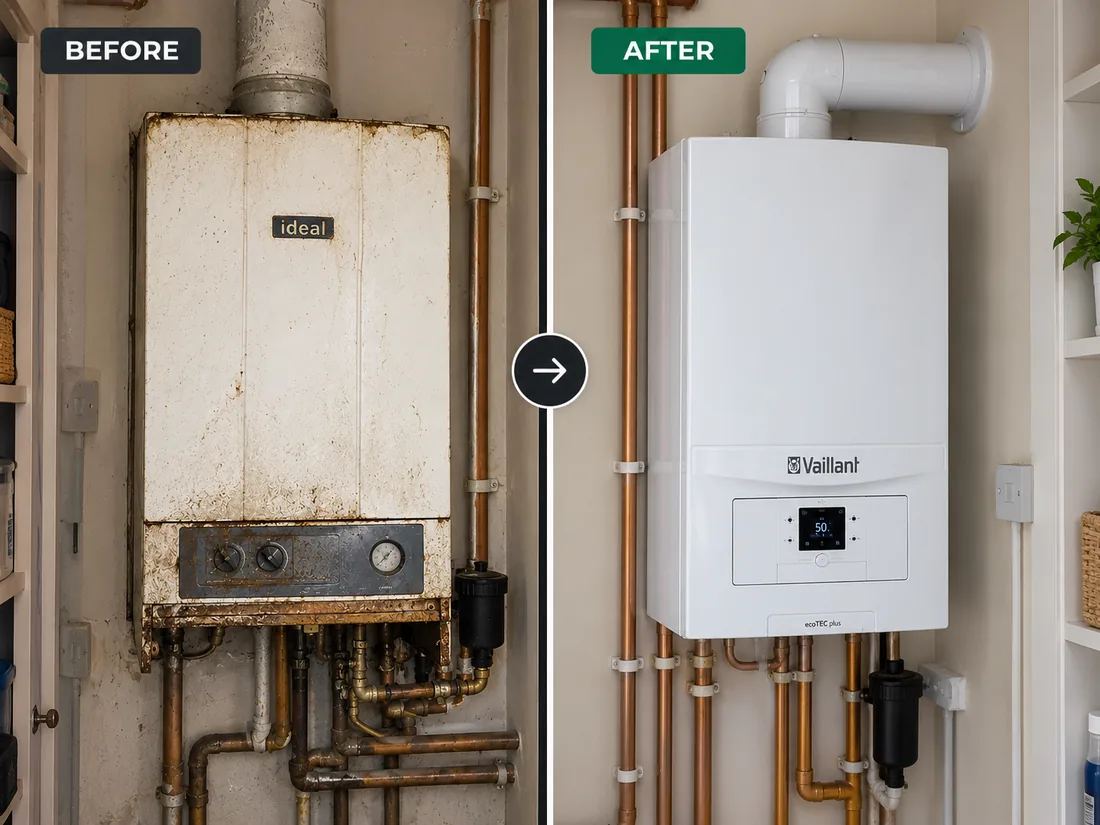
Replacement becomes more attractive when breakdowns are frequent, important parts are obsolete, the repair is expensive in relation to the boiler's condition, or the appliance no longer meets the home's heating and hot-water needs. Boilers over ten years old will generally be less efficient than modern condensing models, although age alone should not decide it.
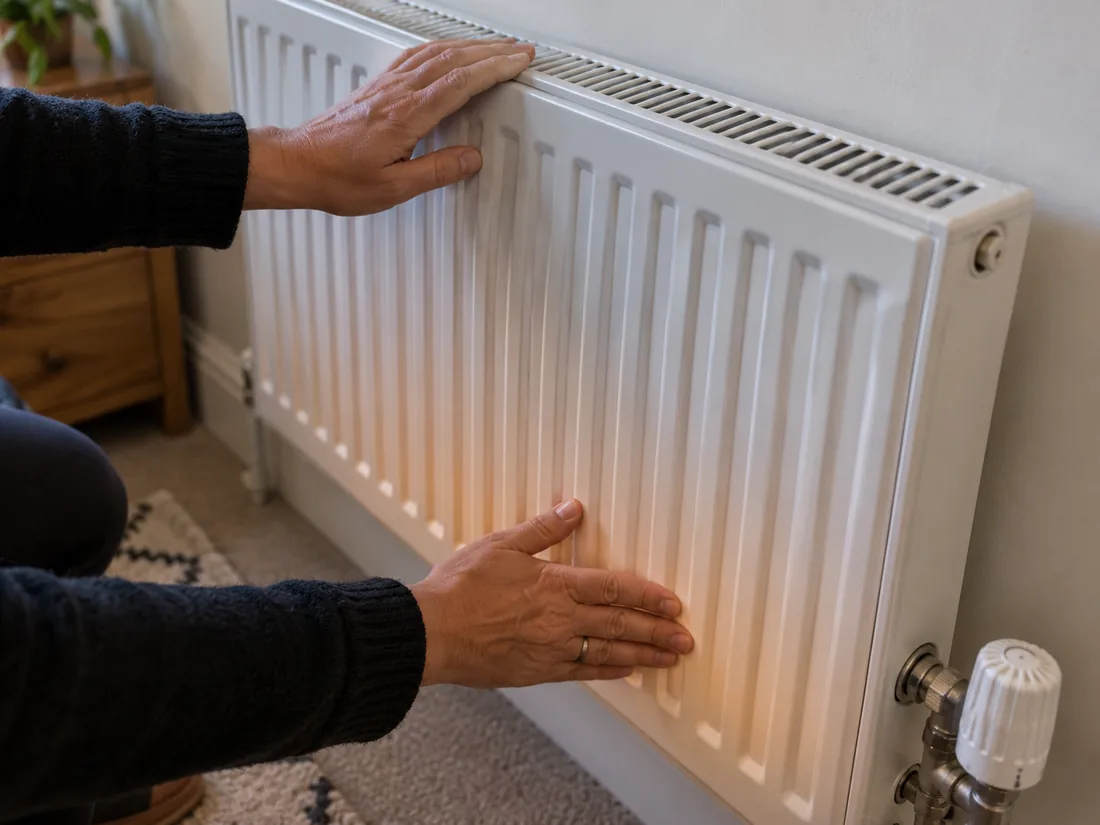
A boiler that works but leaves parts of the house cold may not be the only problem. Poor controls, unsuitable radiator sizes, sludge or an unbalanced system can all affect comfort. Before buying a new boiler, make sure the proposed work considers the whole system rather than treating the appliance as an isolated box on the wall.
- Several breakdowns or rising repair costs
- Major parts that are unavailable or uneconomical to replace
- Poor heating or hot-water performance after other causes are checked
- Old or limited controls that make the system difficult to run efficiently
Compare the full cost, not just today's invoice
The cheapest option today is not always the least expensive over the next few years. For a repair, consider the quoted work alongside the boiler's condition, likely future maintenance and expected remaining life. For replacement, compare the complete installed cost, any system cleaning or controls included, the warranty terms and the ongoing servicing needed to keep that warranty valid.
Avoid relying on a headline saving figure. Actual energy use depends on the property, insulation, controls, heating habits and the efficiency of the existing system. A newer boiler can use fuel more effectively, but it cannot fix heat escaping through an under-insulated home.
Think about what the home will need next
A replacement is an opportunity to review the system properly. Changes to the property, an extension, a new bathroom or different hot-water demand may affect the most suitable boiler type and output. It is also worth considering whether you expect to change to a lower-carbon heating system in the foreseeable future.
The best recommendation should leave you understanding the options rather than feeling pushed towards one. Ask for the repair and replacement routes to be explained clearly, including what each solves, what it does not solve and what other work may be needed.
Get a diagnosis before making the decision
If your boiler has stopped working, is losing pressure repeatedly, is leaking, is showing recurring fault codes or is behaving unpredictably, arrange an inspection by an appropriately registered heating engineer. Do not remove the casing or try to work on gas components yourself.
Heatdial can assess the fault, explain whether repair remains sensible and quote clearly for the available options. That gives you a decision based on the condition of your boiler and heating system, not a rule based on age alone.